The ART
On this page
The Astrostatistics Research Team (ART) is an interdisciplinary group at the University of Toronto. We develop statistical and machine-learning methods for astronomical data, and apply them to questions that run from individual stars to the large-scale structure of the Universe. See what we work on, and meet the group.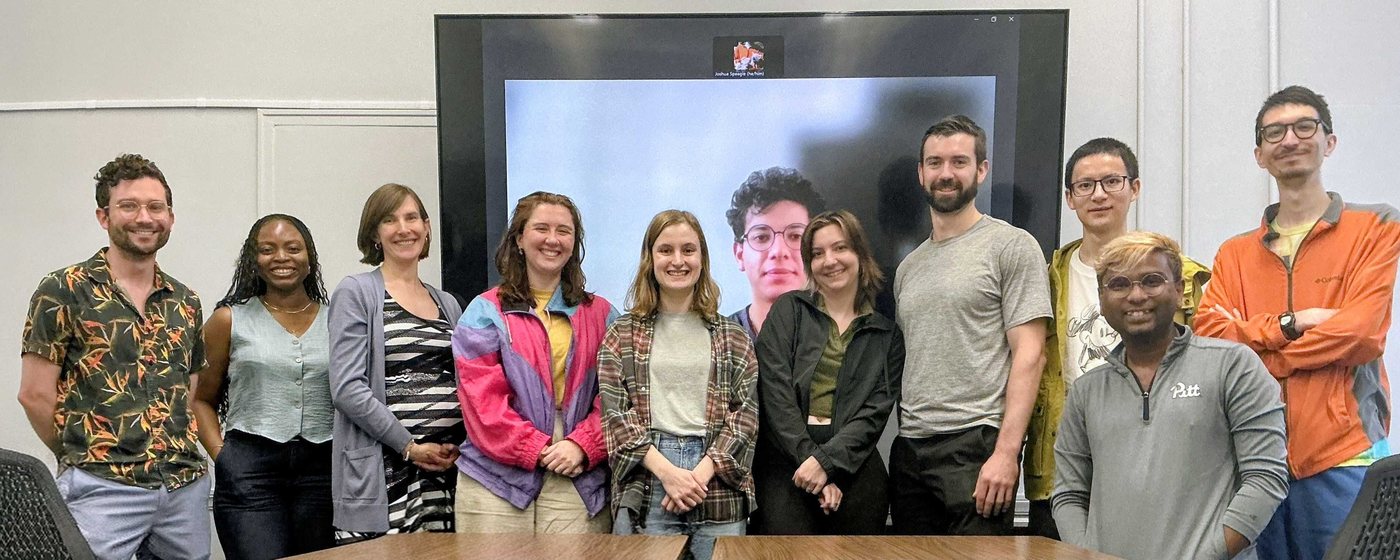
Statstro Workshop
Since 2021 the ART has organized Statstro (Stellar Stats until 2023), an annual workshop for researchers in astrophysics, statistics, computer science, and neighbouring fields. It began as a single day for University of Toronto affiliates and is now a two-day hybrid meeting, open to other institutions and free to attend, built around keynote talks, coding tutorials, contributed and lightning talks, and poster sessions, with early-career researchers at its centre. Slides, tutorial materials, and the schedule are on the Statstro website.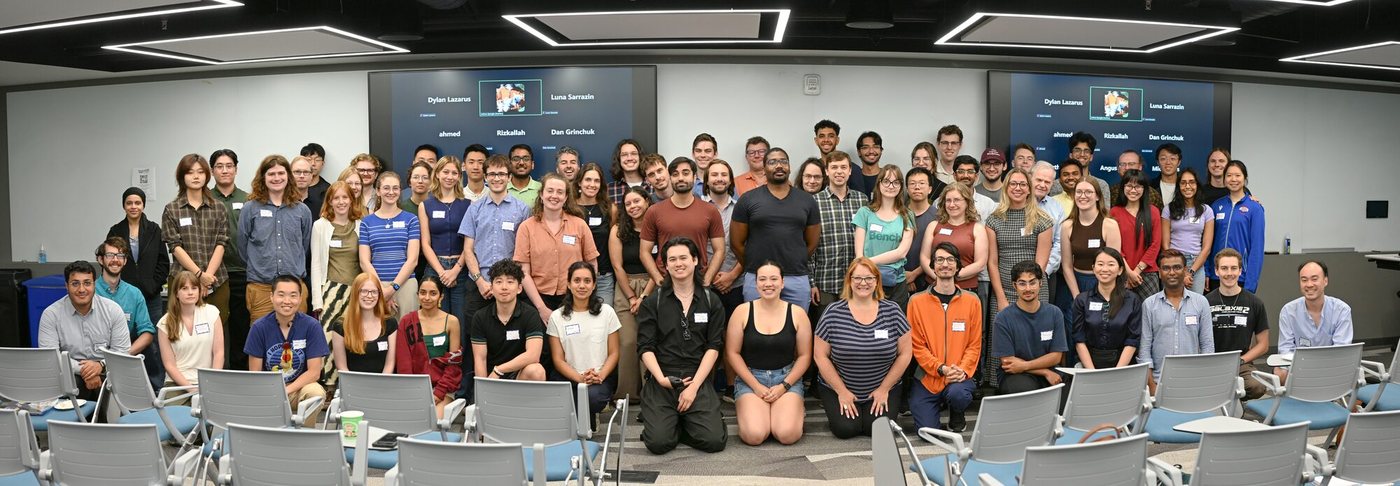
Joining the ART
Gwen Eadie and Josh Speagle are jointly appointed between the Department of Statistical Sciences and the David A. Dunlap Department of Astronomy & Astrophysics, and most routes into the group run through one of them.
Graduate students are admitted by the departments rather than by individual supervisors. The first step is an application to the doctoral program in Astronomy & Astrophysics or in Statistical Sciences; you may apply to either or both. In Astronomy & Astrophysics students choose a supervisor in the second year; in Statistical Sciences a supervisor is assigned during admission. Naming the faculty member you hope to work with brings your application to their attention, and writing to them beforehand is welcome.
Postdoctoral researchers normally arrive on a fellowship, since openings depend on funding. Several competitions fund work of this kind at Toronto: the Canada Postdoctoral Research Award, the CANSSI Distinguished Postdoctoral Fellowship and the CANSSI Ontario Postdoctoral Fellowship (both when available), the Arts & Science and Research Excellence postdoctoral fellowships, the Postdoctoral Competitive Research Awards (a research top-up rather than a salary), the Provost's Postdoctoral Fellowship (for Black and Indigenous scholars), the Dunlap Fellowship, the CITA fellowships, the Data Sciences Institute fellowship (when available), and Schmidt AI in Science. If one looks like a fit, write to us before you apply.
Undergraduates usually join for a summer through a funded program: SURP in Astronomy & Astrophysics, UTSSRP in Statistical Sciences, SUDS at the Data Sciences Institute, SURF at CITA, or an NSERC USRA. Toronto undergraduates can also work with us during the year through the Research Opportunity Program.
Visiting researchers and prospective collaborators are welcome to write directly. Fuller lists, including programs for international students, are kept on the faculty sites of Gwen Eadie and Josh Speagle.